River of the Month | June, 2026

Yakima River

Yakima River, WA
Yakima River, WA
Photography | Tyler Roemer

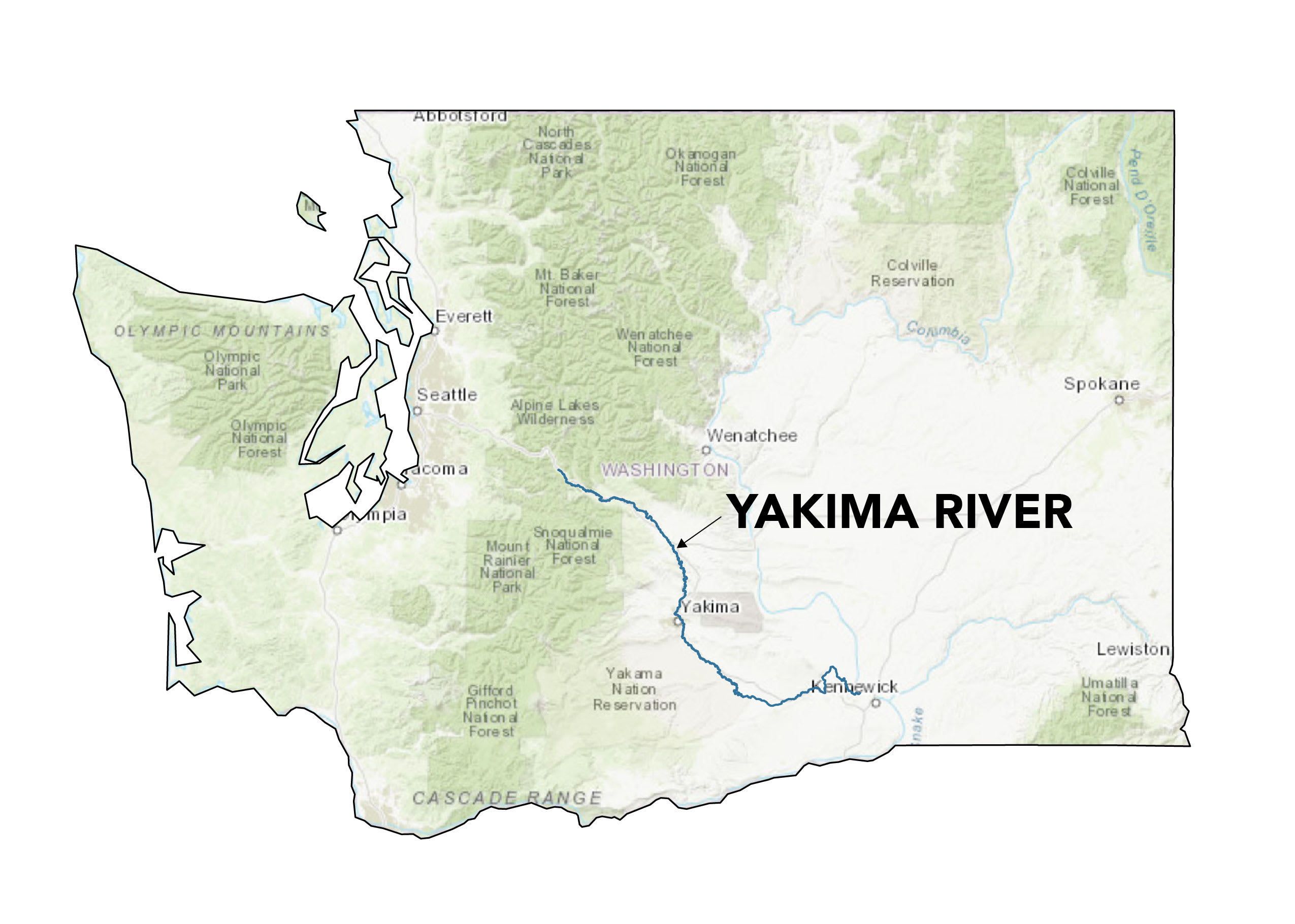
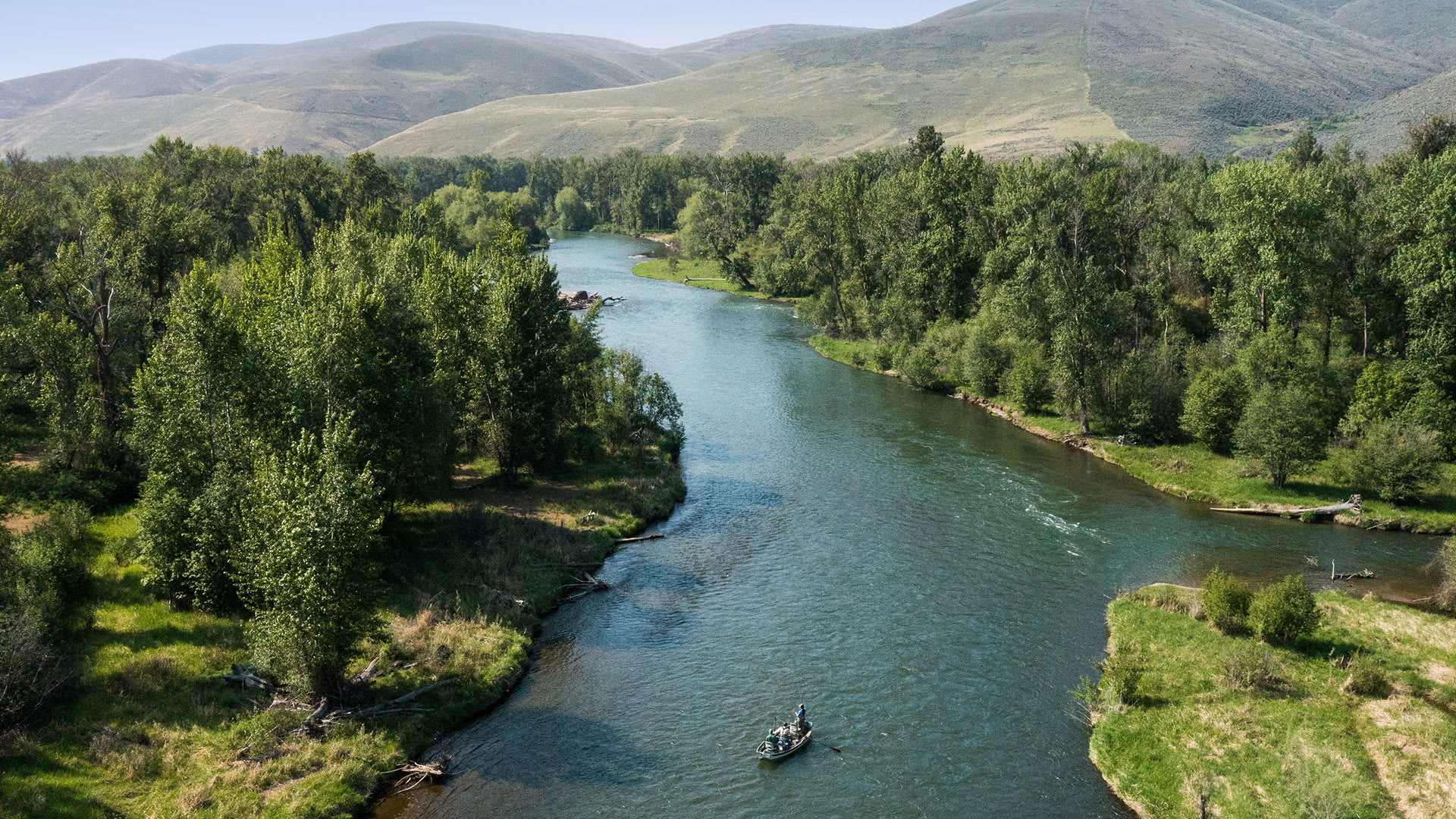
Washington’s Yakima River is one of the West’s premier trout streams. Named after the indigenous Yakama people, it flows for 214 miles from Keechelus Lake on the rugged eastern slopes of the Cascade Range to the Columbia River. It is Washington’s longest river that lies entirely within the state. Between the towns of Ellensburg and Selah, the river cuts a dramatic path through the Yakima River Canyon, which is flanked extensively by public lands and draws visitors from all over the Pacific Northwest and beyond. Anglers take to the Yakima year-round by foot and by boat, and, in the summer, droves of lazy river lovers float on inner tubes through the canyon. Bighorn sheep, elk and mule deer can often be spotted on the river’s banks, and the canyon’s sheer cliffs and crevices are home to the state’s densest concentration of nesting hawks, eagles and falcons.

Why It Matters

On its winding course through Washington, the Yakima is a lifeline for vast communities of fish, wildlife and people. The basin supports nearly 50 species of anadromous, resident native, and introduced species of fish, including salmon and steelhead, and hundreds of wildlife species. In addition to being informally designated a Blue Ribbon trout stream—a designation that, official or not, points to the health of the river and its fish—the Yakima is a recreation haven where people visit to hike, camp, horseback ride, view wildlife and more.

For the Yakama Nation, the Yakima River lies at the center of cultural, spiritual and economic life, flowing through the Tribe's ancestral homeland. The river and its salmon runs have sustained the Yakama people since time immemorial, supporting fishing, ceremony, trade and traditions that remain central to the Tribe today. The river is also a major driver of the state's agricultural economy, irrigating three quarters of the nation’s hops annually, along with cherries, apples, hay and more.

Fish

Historically, the Yakima was one of the Columbia Basin's major producers of salmon and steelhead, with large runs of spring, summer and fall Chinook, coho, sockeye and steelhead. Decades of habitat degradation resulted in the elimination of summer Chinook, sockeye and native coho from the basin—though hatchery coho have since been introduced—and both steelhead and bull trout remain listed as threatened. Major fish recovery and restoration efforts are now underway across the basin through collaboration among the Yakama Nation and state and federal agencies. Those efforts are bearing fruit, with steelhead, spring Chinook and fall Chinook seeing higher returns than they have in years. Work to reestablish runs of summer Chinook, coho and sockeye continues.

Wildlife

The cliffs, benches and draws within the river canyon create a range of habitats that wildlife depend on. Riparian forests support migratory birds, reptiles and amphibians, while sage-steppe habitat provides winter range for deer and bighorn sheep. The surrounding uplands are home to Rocky Mountain elk, mountain lions and even wolves, which have recently reestablished themselves in the broader Yakima Basin.

How to See It

The Yakima River Canyon is the epicenter for the river’s recreational offerings, with outstanding fishing, hiking and floating all within a stunning stretch of public land managed by the BLM. The canyon is accessible via the Yakima River Canyon Scenic Byway, which offers spectacular views of the river and its wildlife.

  • Fish

    Fish

    The entire Yakima River Canyon offers outstanding fishing, both by foot and by boat. Walk-and-wade fishing is best September through May, during low flows, and there are ample access points to be found among the BLM’s various recreation sites, including Bighorn, Umtanum, Lmuma Creek, Big Pines and Roza. From a boat, any stretch of the river within the canyon is well worth exploring year-round. During the high-water season, May through August, several big insect hatches— stonefly, mayfly, and caddis—make for exciting dry fly fishing.

  • Hike

    Hike

    From the Umtanum Recreation Area parking lot, two trails offer dramatically different experiences. The Umtanum Creek Canyon trail is a 6.5-mile out-and-back that includes a moderate climb up the canyon with views of the basalt formations and, in the spring, vibrant wildflowers. The Umtanum Ridge Crest trail is a steep six-mile out-and-back climb up to the canyon ridge that rewards hikers with sweeping views of both the Yakima River Canyon and the snow-topped Stuart Range. Both hikes offer great opportunities to spot bighorn sheep and birds. Watch for rattlesnakes in warmer months.

  • Paddle

    Paddle

    The gentle, slow-moving stretch of river between Bighorn Campground and Roza Campground offers numerous opportunities for a leisurely summer float. One of our favorites is putting in at Bighorn Campground (which WRC conserved in 2024) and floating the roughly four-hour stretch of river down to Red’s Fly Shop. The slow-paced trip will take you through part of the former Yakima Canyon Ranch, the property WRC protected, and offers stunning canyon views along with ample fishing opportunities. One of the easiest ways to float this stretch is to rent rafts or drift boats from Red’s and catch the fly shop’s shuttle up to Bighorn to start your trip.

The WRC Story

To date, WRC has completed two projects on the Yakima River that have created and protected some of the best public access on the river and helped restore critical floodplain habitat that is vital to improving the salmon and steelhead runs that once defined this great river. In one of the most popular and scenic stretches of the canyon, WRC conserved the 647-acre Yakima Canyon Ranch and its 3.5 miles of river frontage by conveying the property to the BLM. The ranch sits at the heart of the canyon's finest fly fishing water, along a dramatic horseshoe bend in the river, and its protection fills a key gap in an otherwise publicly managed canyon. The property’s centerpiece is the Bighorn campground and boating site, which WRC was able to place into public hands. The effort also expanded the Umtanum recreation site downstream, tripling the amount of river frontage within the access area.

Upstream, we protected the 39-acre Four Seasons Ranch by purchasing and conveying it to Kittitas County. The ranch was the last privately held parcel within what’s known as the Ringer Restoration Reach, a four-mile stretch of river where the county had been working for nearly a decade to restore more than 650 acres of floodplain habitat. By moving the property into public ownership WRC laid the groundwork that allowed the county to begin removing berms and levees, restoring side channels and returning cottonwoods to the landscape.

Best Time of Year

Fishing
Year-round; especially summer to early fall
Boating
June-August
Hiking
April-May for wildflowers and September-October for hiking

Go Deeper

  • Nick on the Rocks - Yakima River Video

    (A short video produced by Central Washington University that explains the unique geology of the Yakima River Canyon.)
    Learn More
  • Yakima River, WA

    (American Fly Fishing’s feature on fishing this Washington gem.)
    Learn More
  • Scenic Washington: Yakima River Canyon

    (A short guide to visiting the Yakima River Canyon and surrounding area.)
    Learn More

Stay on top of our work

Choose the news you want to receive, and we’ll keep you abreast of our conservation efforts around the West.