PRISTINE WETLAND HABITAT FOR MIGRATORY BIRDS
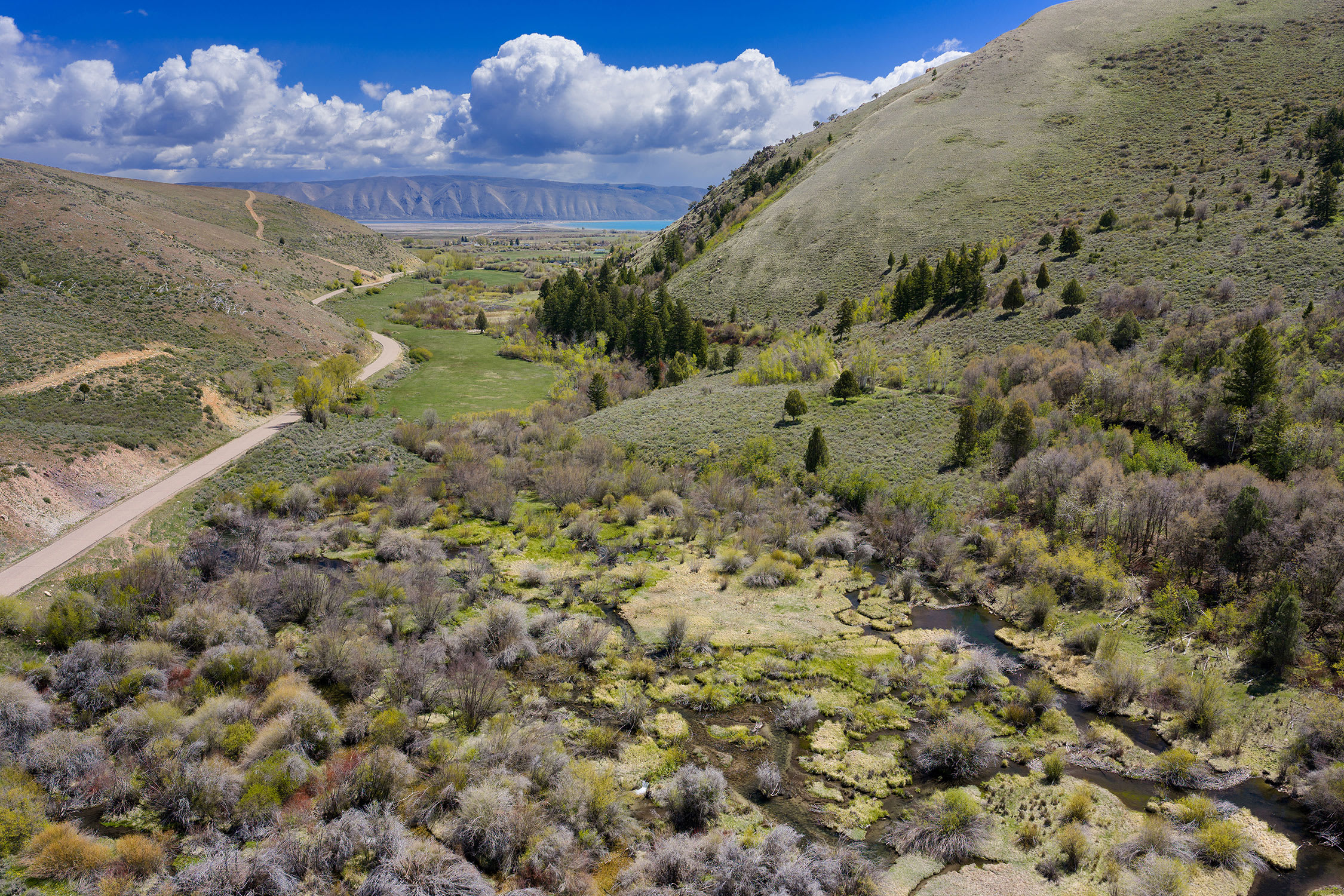
With its clean, cold water and unmistakable blue hue, Bear Lake is the turquoise jewel of the Northern Rockies. Its waters sustain fish and wildlife across the Idaho-Utah border, and its wetlands lie where the Pacific and Central flyways meet, making the lake a critical stopover for migratory birds.
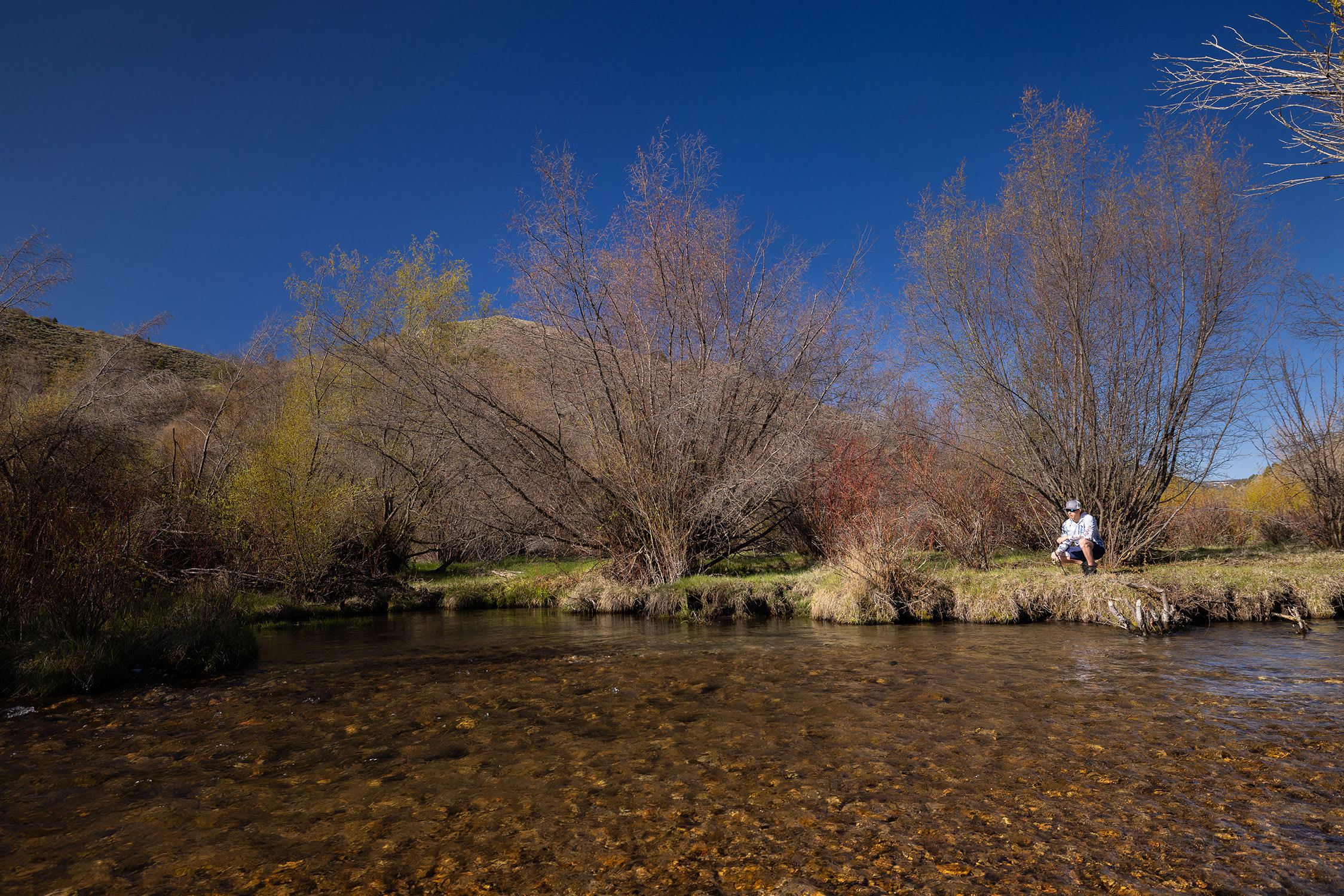
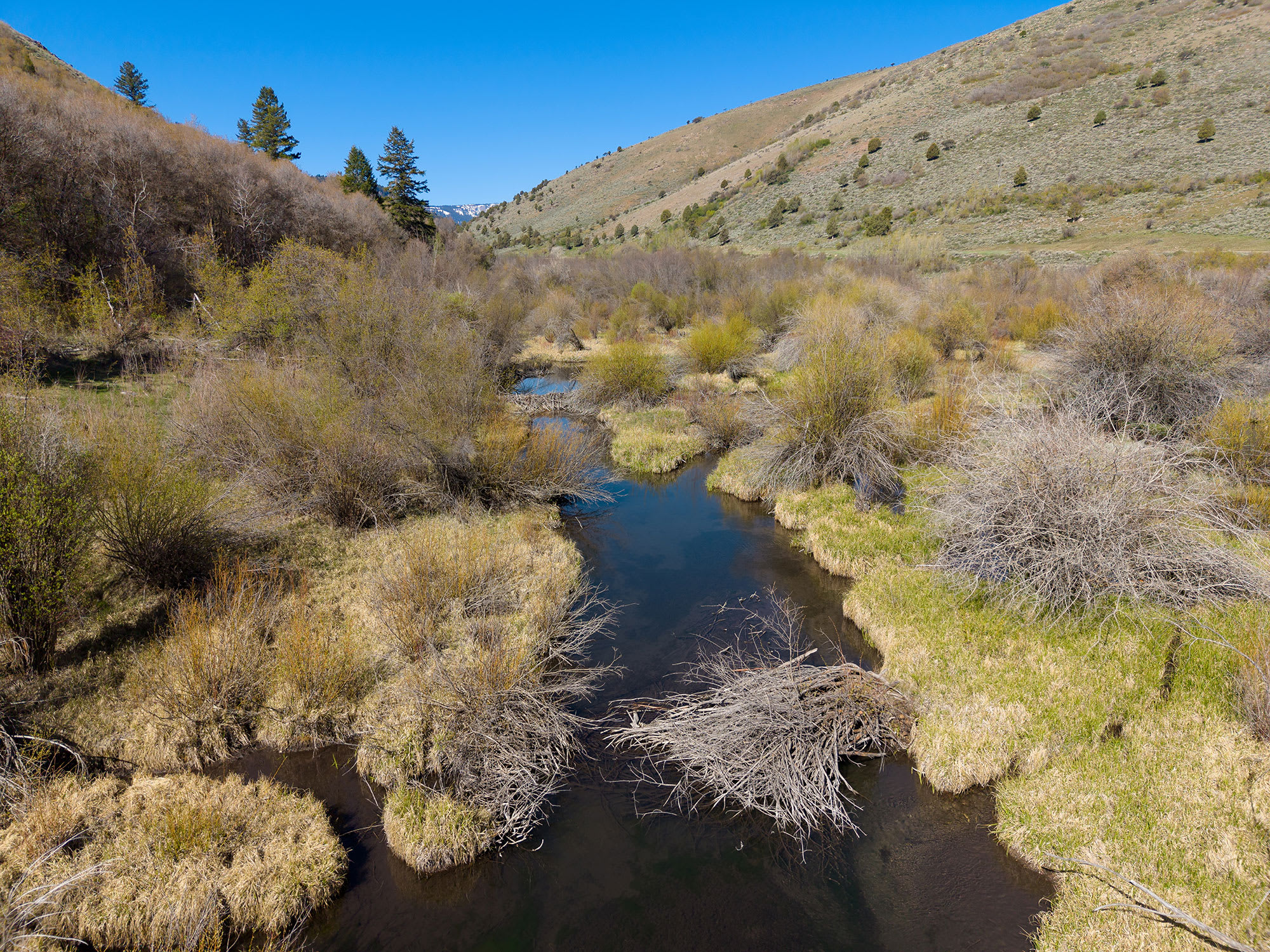
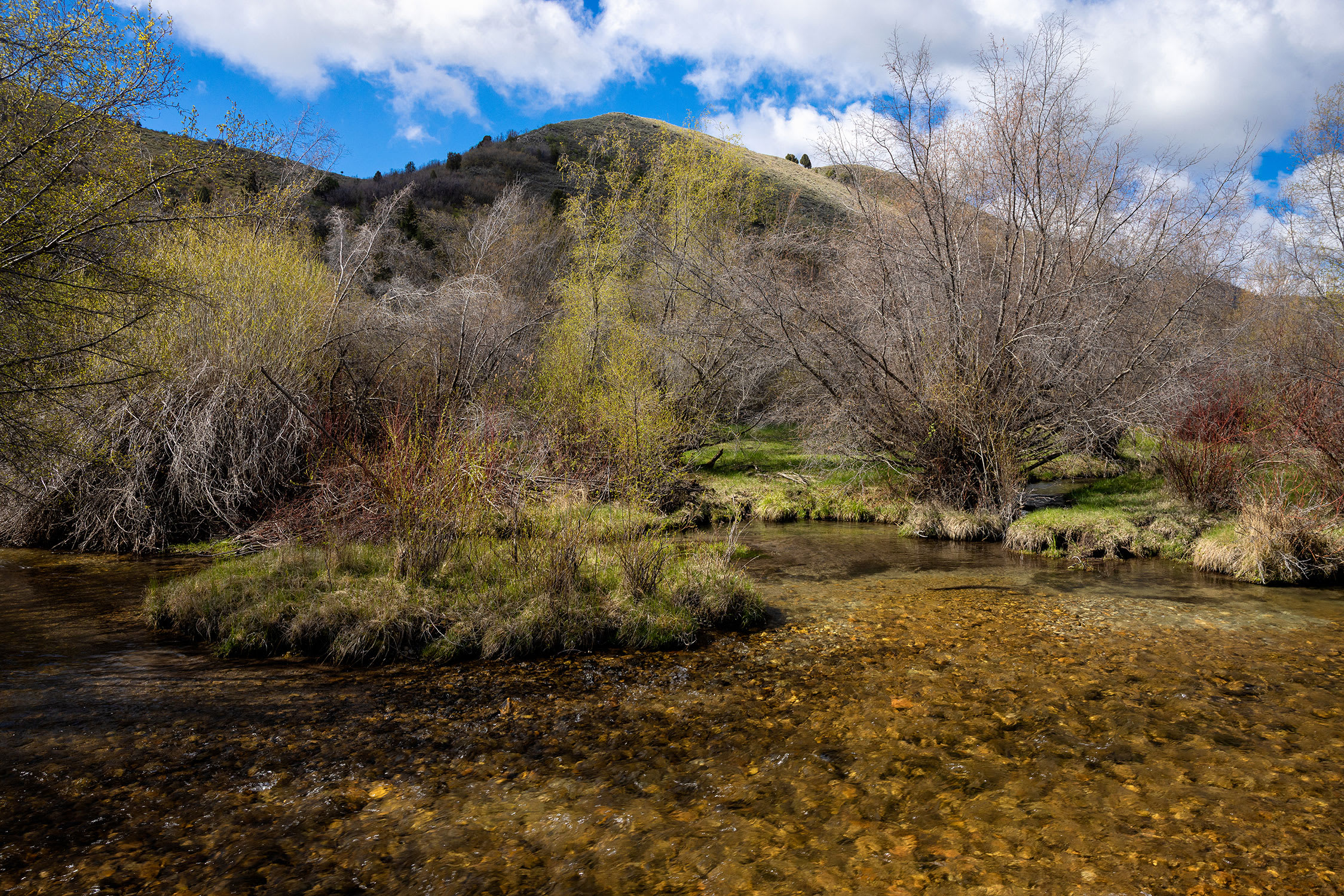
Just west of the Bear Lake National Wildlife Refuge, Saint Charles Creek flows cold and steady through forested wetlands before joining Bear Lake. The longest Bear Lake tributary and a top conservation priority, Saint Charles Creek is a key piece of the habitat puzzle that makes this area so important for birds. A vast array of species rely on the creek (and its wetlands), and the stream’s spring-fed flows give birds a place to feed while ice still covers the refuge’s marsh into April.
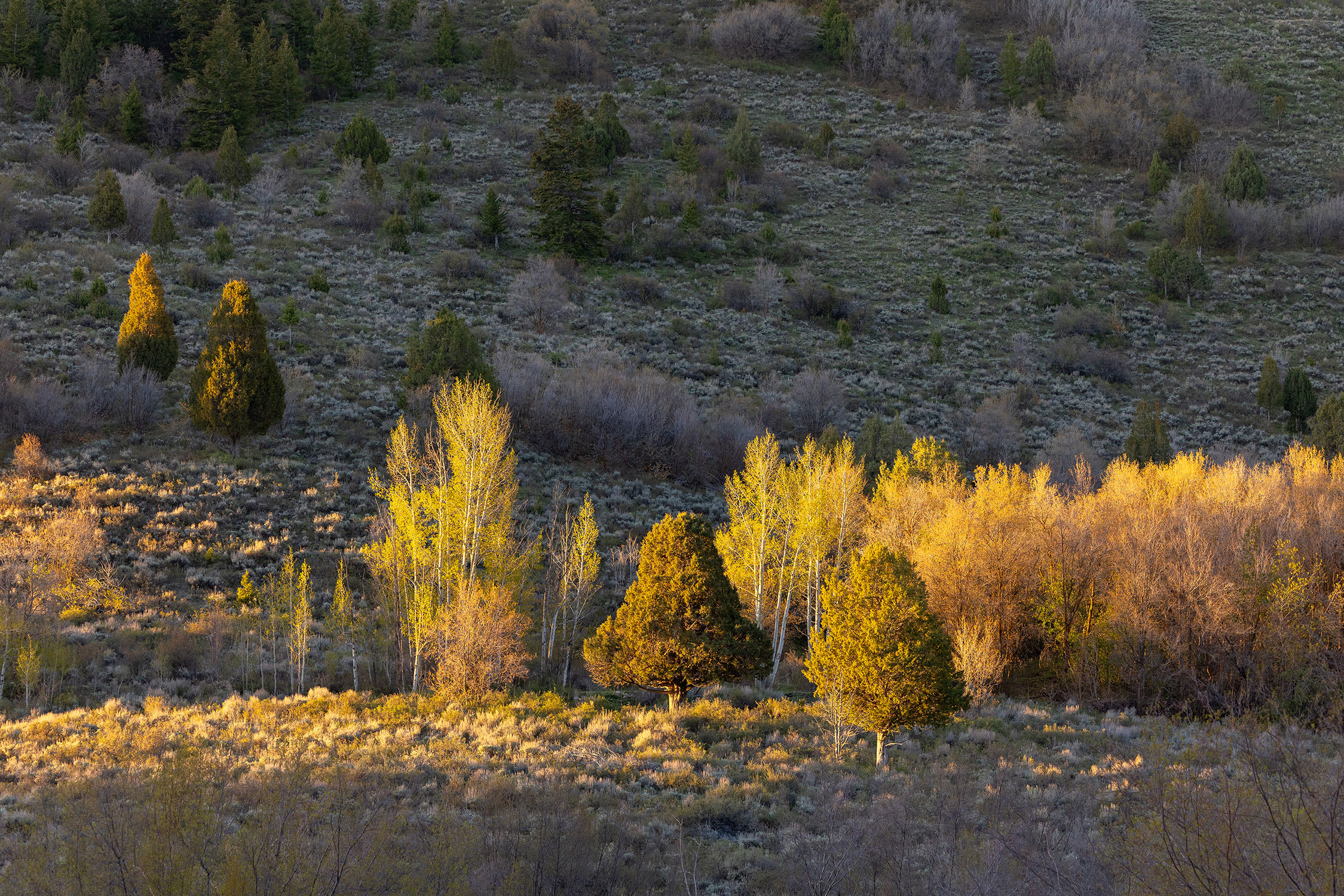
WRC is now working to conserve the 331-acre Saint Charles Creek property, which includes nearly a mile of this critical stream. At least 160 bird species use the refuge, and this property extends their habitat in a meaningful way. Trumpeter swans, once on the brink of extinction, feed here in early summer, while migrating ducks and geese use the property’s wetlands for food and cover.
A HAVEN FOR CUTTHROAT TROUT
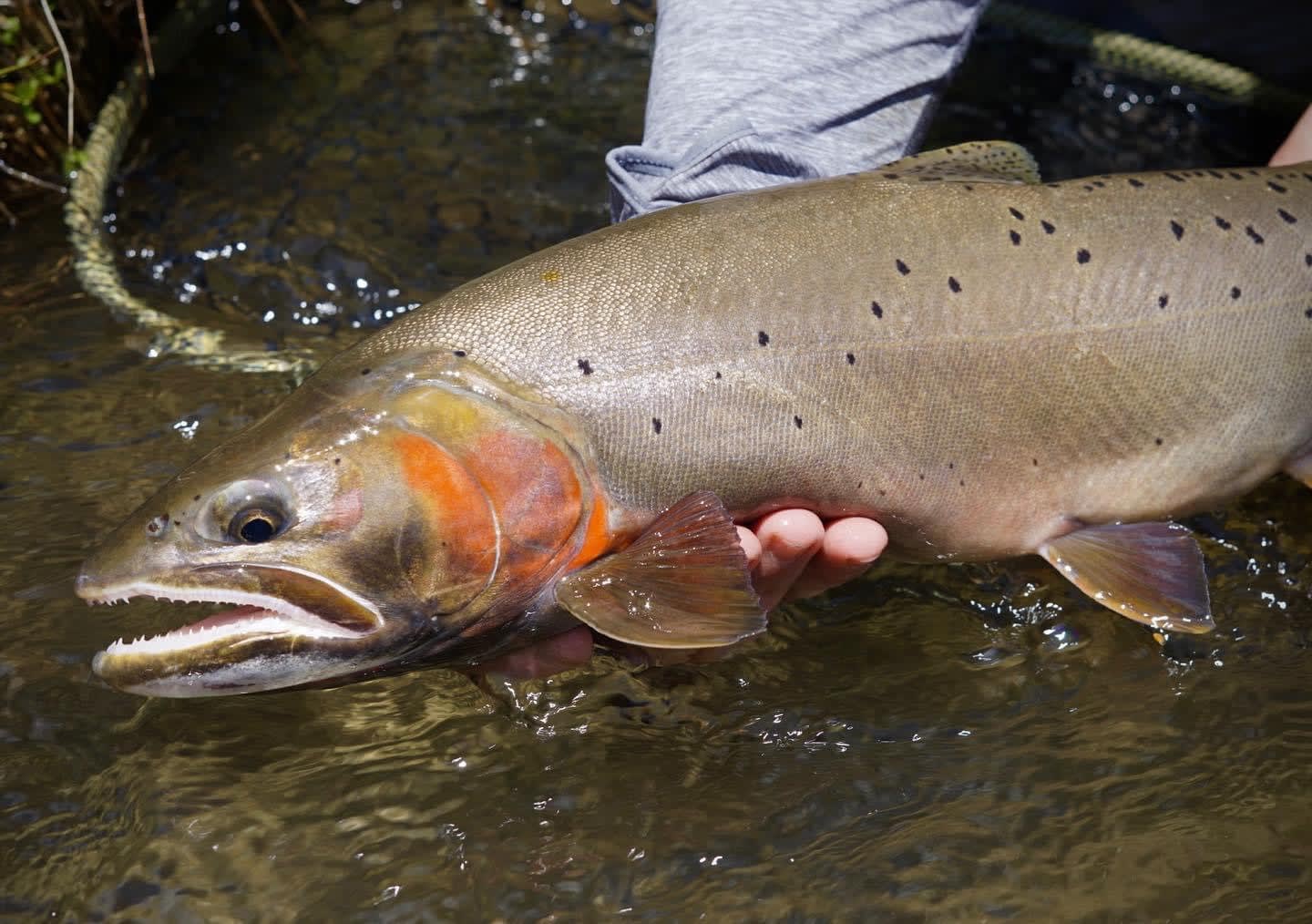
Saint Charles Creek is not just a haven for birds; the stream is equally vital for Bear Lake Bonneville cutthroat trout. Each summer, adults migrate up the creek to spawn, then return to the lake, where they grow to enormous sizes. Water diversions, habitat loss and other pressures once cut wild fish to five percent of the lake’s historic population. Today, thanks to concerted conservation efforts from a wide range of partners, more than 70 percent of the lake’s cutthroat are wild.
By conserving the Saint Charles Creek property, WRC will prevent incompatible subdivision and development and keep this important reach of the stream intact. For the migrating birds that stop here and the cutthroat trout that return to spawn, these efforts will help keep this artery of Bear Lake wild and healthy for all that depend on it.


