River of the Month | May, 2026

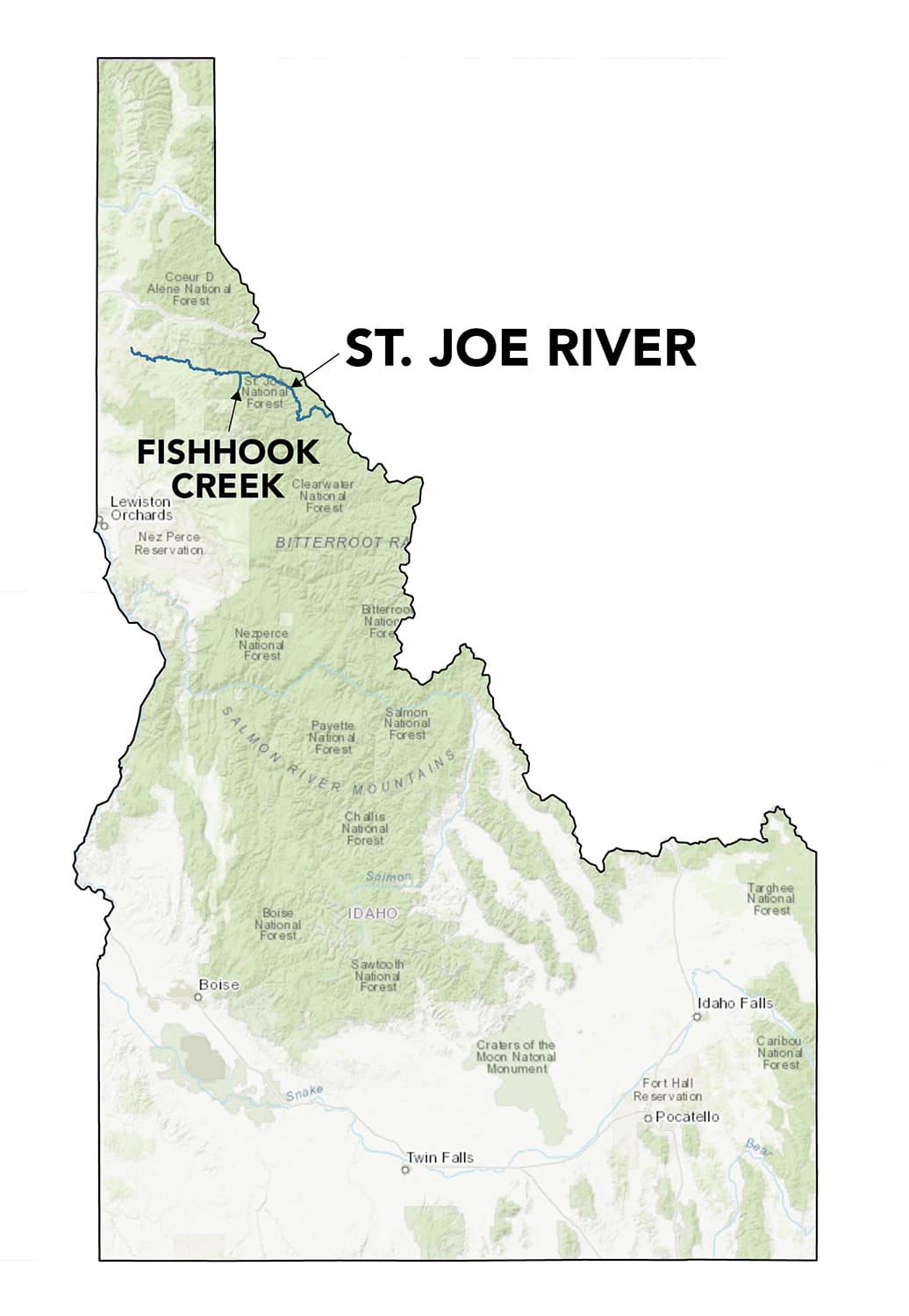
St. Joe River

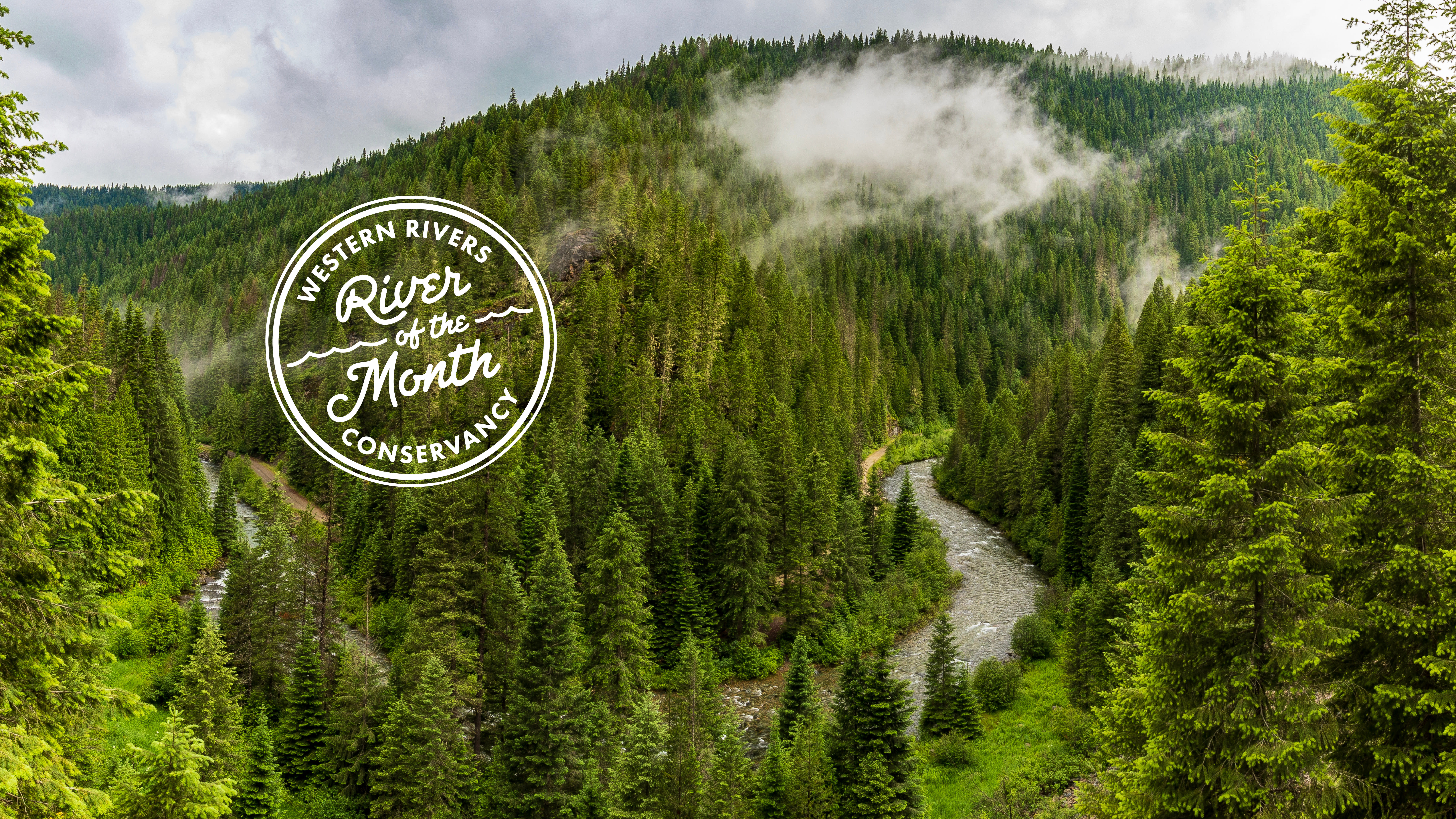
Nicknamed the "Shadowy St. Joe" for the dense conifer forests lining its banks, this wild Idaho gem winds cold and crystal clear for 140 miles from the Bitterroot Mountains through dramatic, moss and fern-laden canyons before emptying into Lake Coeur d'Alene. The upper 66 miles are designated Wild and Scenic, and, with an elevation above 2,000 feet at its confluence with Lake Coeur d'Alene, the St. Joe is considered the highest navigable river in the world. Premier rafting, kayaking, hiking and camping draw visitors year-round, but the St. Joe is best known for its world-class fly fishing.

Why It Matters

The St. Joe and its tributaries are strongholds for bull trout and westslope cutthroat trout, and the river’s pristine riparian habitat supports remarkable wildlife diversity, including Rocky Mountain elk, Shiras moose, river otters, eagles and more.

The St. Joe flows through the ancestral homeland of the Schitsu'umsh (Coeur d'Alene Tribe) and has long shaped northern Idaho's history. Settlers pursued mining, logging, and railroad booms along the river, steamboats carried early travelers, and tugboats hauled giant white pines during the massive log drives of the early 20th century. The St. Joe was also the epicenter of the historic Big Burn of 1910, a catastrophic wildfire that transformed U.S. Forest Service land management practices and helped shape the agency as we know it today.
Fish

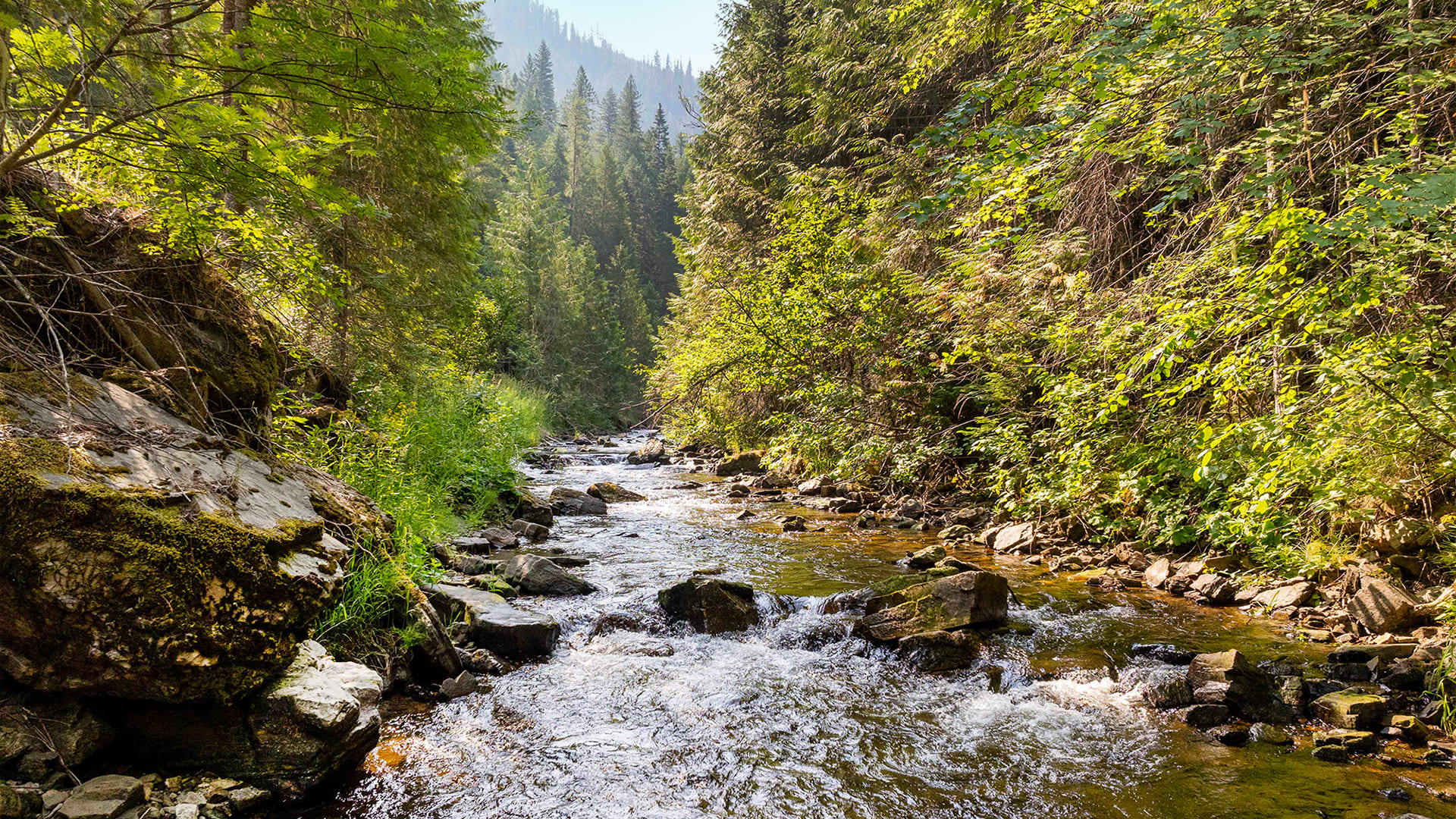
The St. Joe basin supports the last self-sustaining populations of threatened bull trout in the greater Lake Coeur d’Alene watershed. The St. Joe is also one of the best westslope cutthroat trout rivers in northern Idaho, a fact underscored by Idaho Fish and Game’s designation of the river as a blue-ribbon trout stream.

Wildlife

With its corridors of thick, rugged riparian forests, the St. Joe is a haven for charismatic wildlife species like Rocky Mountain elk, Canada lynx, mountain goat, mule deer, grizzly bear, moose, bald eagle and osprey, as well as myriad small mammals and birds. As it transitions from steep mountain stretches to wider, calmer river, the St. Joe provides a wide array of habitats. Much of the river flows within the Idaho Panhandle National Forests, keeping its diverse wildlife habitat pristine and undeveloped.

How to See It

The St. Joe is a recreational playground. For anglers, it is one of the best rivers in the West for native westslope cutthroat trout (catch-and-release only). The surrounding Idaho Panhandle National Forests offers hundreds of miles of hiking, biking and horseback riding trails, and the St. Joe itself boasts lively rapids for whitewater enthusiasts.

  • Fish

    Fish

    The wildest and most remote section of the river to fish is above Spruce Tree Campground, where access is entirely hike-in, and pocket water and undercut banks produce feisty cutthroats. Below the campground, St. Joe River Road offers easier access to the river and its network of tributary streams. The lower river provides warmwater fishing opportunities for bass, yellow perch and northern pike. All cutthroat trout and bull trout must be released. For rules and regulations, visit Idaho Fish and Game’s website.

  • Hike

    Hike

    The St. Joe River Trail parallels the St. Joe along the upper Wild and Scenic corridor for 20.8 miles, offering fly fishing access, backcountry camping and wildlife viewing. On the shorter side, the 1.2-mile Hobo Cedar Grove loop provides views of giant cedars that survived the Big Burn of 1910 and the extensive logging of the 20th century.

  • Paddle

    Paddle

    The St. Joe offers one of the few whitewater rafting and kayaking opportunities in northern Idaho. There are options for beginners and experienced paddlers, and plenty of outfitters offering guided trips. For an easy, scenic Class II float, put in at Bluff Creek and float for 12 miles down to Turner Flat Campground. This float is great for trout fishing, too.

The WRC Story

To conserve stretches of both the St. Joe River and the tributary Fishhook Creek, WRC purchased the 585-acre Fishhook Creek property—near the confluence of the two streams—and conveyed it to the Idaho Panhandle National Forests. The property was an inholding in the National Forests and contains some of the best remaining unprotected cold-water habitat in the basin. Ongoing river restoration efforts upstream of the property on the St. Joe are likely to result in higher densities of bull trout throughout the river system, making preserving high-quality habitat like that found at the Fishhook Creek property critical to bull trout survival over the long term. The property’s forests of Douglas fir, larch and pine also support grizzly bear, Rocky Mountain elk and Canada lynx. Now in public hands, people have new access to a prime stretch of river, which is largely privately-owned downstream. Altogether, the project was a meaningful step toward keeping the St. Joe pristine and thriving for fish, wildlife and people alike.

Best Time of Year

Fishing
Year-round
Hiking
May-Oct
Boating
Jun-Jul

Go Deeper

  • Outdoor Idaho: St. Joe River Video

    (Filmed back in 1987, this feature about the Shadowy St. Joe sits in the PBS archives and is well worth a watch.)
    Learn More
  • In the Shadows of the Forgotten St. Joe River

    (Fly Fisherman Magazine’s in-depth exploration of the St. Joe details both its rich history and its current status as a Wild and Scenic River prized for cutthroat and bull trout fly fishing.)
    Learn More
  • Ode to the St. Joe River

    (A personal fly fishing essay in Big Sky Journal celebrating the St. Joe's wild cutthroats and storied past.)
    Learn More
  • Book: The Big Burn

    (The story of the nation's largest wildfire, told by Timothy Egan.)
    Learn More

Stay on top of our work

Choose the news you want to receive, and we’ll keep you abreast of our conservation efforts around the West.