River of the Month | July, 2026

Dolores River

The Dolores River is one of southwest Colorado's great scenic and recreational treasures. From its headwaters at nearly 12,000 feet in the San Miguel Mountains to its confluence with the Colorado River near Moab, Utah, the Dolores charts a 240-mile course through some of the most stunning landscapes in the West. On its descent, the river winds through pristine alpine meadows, majestic ponderosa pine forests and dramatic, sheer-walled sandstone canyons. The basin is also rich in history, hosting a multitude of Ancestral Puebloan sites. Once it enters a maze of redrock canyons, the lower river is remarkably wild, and several stretches are eligible for Wild and Scenic designation. Below McPhee Reservoir, the Dolores offers one of the longest wilderness floats in the country for those who can time its flows.

Why It Matters

A vast array of fish and wildlife depend on the Dolores. In the high desert of the Colorado Plateau, the river is also a lifeline for human communities. It is the primary source of drinking water and irrigation for the Montezuma Valley and is one of the most historically important landscapes in the Southwest. Archaeological resources on the lower river provide evidence of human presence spanning more than 10,000 years. Ancestral Puebloans inhabited the Dolores River Canyon as far back as 2,000 years. After the Puebloans left the region, likely due to drought, the Ute Indian Tribe settled the area, and they maintain deep ties to the river today.

With its stunning canyon scenery and feisty whitewater, the Dolores is one of the most coveted (and fickle) rafting destinations in the West, offering a 170-mile float through remote canyons and forests, including 250,000 acres of BLM Wilderness Study Areas.

Fish

With two distinct habitat reaches—cold, high-alpine meadows in the upper river and warm, canyon-carved waters below—the Dolores supports a remarkable diversity of native fish. The upper river is prime habitat for Colorado River cutthroat trout, while the warmer lower reaches are home to bluehead sucker, flannelmouth sucker, roundtail chub, speckled dace and mottled sculpin. The lower Dolores also provides crucial habitat for four federally endangered species—Colorado pikeminnow, razorback sucker, bonytail and humpback chub—all of which evolved in the Colorado River Basin and, outside the basin, exist nowhere else on earth.

Wildlife

The Dolores supports a remarkable range of wildlife. The upper river's spruce-fir forests, aspen groves, and mosaic of alpine meadows and grasslands provide habitat for Rocky Mountain elk, mule deer, black bear and beaver. The lower canyon's sheer sandstone walls are prime territory for desert bighorn sheep, mountain lion, bobcat and river otter. The canyon's cliffs are also home to some of the West's most iconic birds of prey, including peregrine falcons, bald eagles and golden eagles. The river corridor is an important flyway for migratory and resident birds, including neotropical songbirds moving through the riparian corridor each spring and fall.

How to See It

The upper Dolores is a year-round recreation destination, with outstanding trout fishing, hiking, camping, mountain biking, hunting, spectacular fall color and cross-country skiing in the winter. The lower Dolores provides a remote escape into the wilderness, with scenery that rivals the Grand Canyon. It offers high desert hiking, wildlife viewing, fishing and whitewater rafting with everything from Class I to Class IV rapids.

  • Fish

    Fish

    In its upper reaches, the Dolores offers classic dry fly fishing on small headwater streams that hold native Colorado River cutthroat trout. Between Rico and the town of Dolores, the river offers a patchwork of roadside public access to classic freestone fly fishing for brown, rainbow and brook trout. The Dolores is best known for its tailwater section below McPhee Reservoir, where anglers target rainbow and brown trout. The most accessible tailwater entry point is Bradfield Recreation Site. Visit Colorado Parks and Wildlife’s website for more rules and regulations.

  • Hike

    Hike

    With both tranquil riverside trails near the town of Dolores and rugged backcountry routes in the remote lower canyon, the Dolores offers a wide range of hiking experiences. The Dolores River Trail, an easy, 2.9 mile out-and-back near McPhee Reservoir, follows the river to the town of Dolores and is great for birdwatching, fishing and a gentle nature walk. For a more rugged excursion, the BLM’s Dolores River Canyon Wilderness Study Area offers plentiful hiking among the lower canyon’s colorful sandstone cliffs. In the high-elevation headwaters of the Dolores, the Dunton Meadows property that Western Rivers Conservancy protected connects hikers to two of the state’s most scenic hikes. The Navajo Lake Trail and Kilpacker Trail both take you through forest and meadow to end at a stunning alpine lake.

  • Paddle

    Paddle

    The Dolores River offers some of the most overlooked floating experiences in the West, including multi-day desert rafting trips. The upper section consists mostly of class II rapids flowing through scenic alpine canyons. The lower section has lively whitewater and vistas to rival the Grand Canyon, but is only runnable every few years due to limited dam releases and variable snowpack. This lower section takes you through the high desert of Colorado and into the red rocks of Utah. The floating season typically peaks in late April to early May and often lasts at most a few weeks. Free permits are required.

The WRC Story

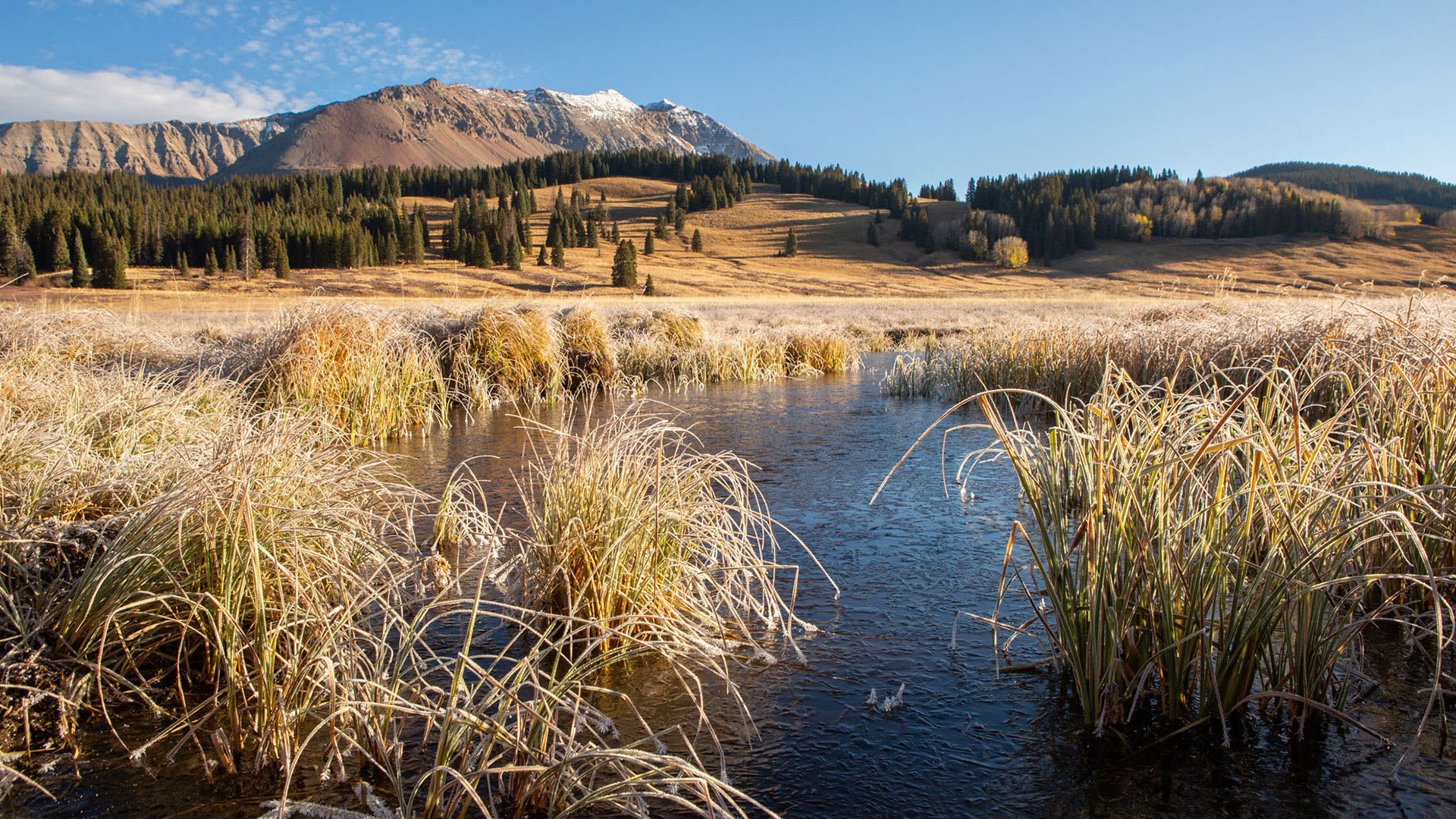
At the headwaters of the Dolores River, WRC conserved an important 160-acre wetland meadow complex called Dunton Meadows. We purchased the property in 2023, secured funding through the Land and Water Conservation Fund and conveyed the property to the San Juan National Forest in 2024. This effort, in partnership with the national forest, protected a crucial source of clean, cold water for Colorado River cutthroat trout. Dunton Meadows sits at roughly 10,000 feet in the San Juan Mountains, between the East and West forks of the Dolores. The meadow complex serves as a cold-water sponge that collects, stores, cools, filters, and gradually releases snowmelt and stormwater into Coal Creek, which contains some of the richest habitat in the entire upper Dolores River basin for Colorado River cutthroat. The subalpine meadow is also excellent habitat for Rocky Mountain elk, mule deer, black bear, American marten and other wildlife.

Surrounded by national forest and wilderness, Dunton Meadows is also extremely important from a recreational perspective. Its sweeping, undisturbed views of Mount Wilson and the Lizard Head Wilderness are emblematic of the area. The property is bisected by an access road that connects hikers to two of Colorado’s most scenic hikes: the Navajo Lake Trail and the Kilpacker Trail. The San Juan National Forest’s acquisition of the property ensured that the pristine nature of this alpine meadow and its mountain views will remain intact.

Best Time of Year

Fishing
June-October
Hiking
April-October
Boating
April-May

Go Deeper

  • River of Sorrows

    (Follow an exciting two-week packrafting trip down the Dolores to learn the challenges the river faces.)
    Learn More
  • The Dolores River, a legendary and mystical river

    (A video by the Denver Post about what makes this desert stream so special.)
    Learn More
  • Can the Dolores River be saved?

    (An in-depth look at the challenges the Dolores River faces, by High Country News.)
    Learn More
  • Memories of the River of Sorrow

    (eherron@westernrivers.org)
    Learn More

Stay on top of our work

Choose the news you want to receive, and we’ll keep you abreast of our conservation efforts around the West.