

Preserving habitat and fishing access
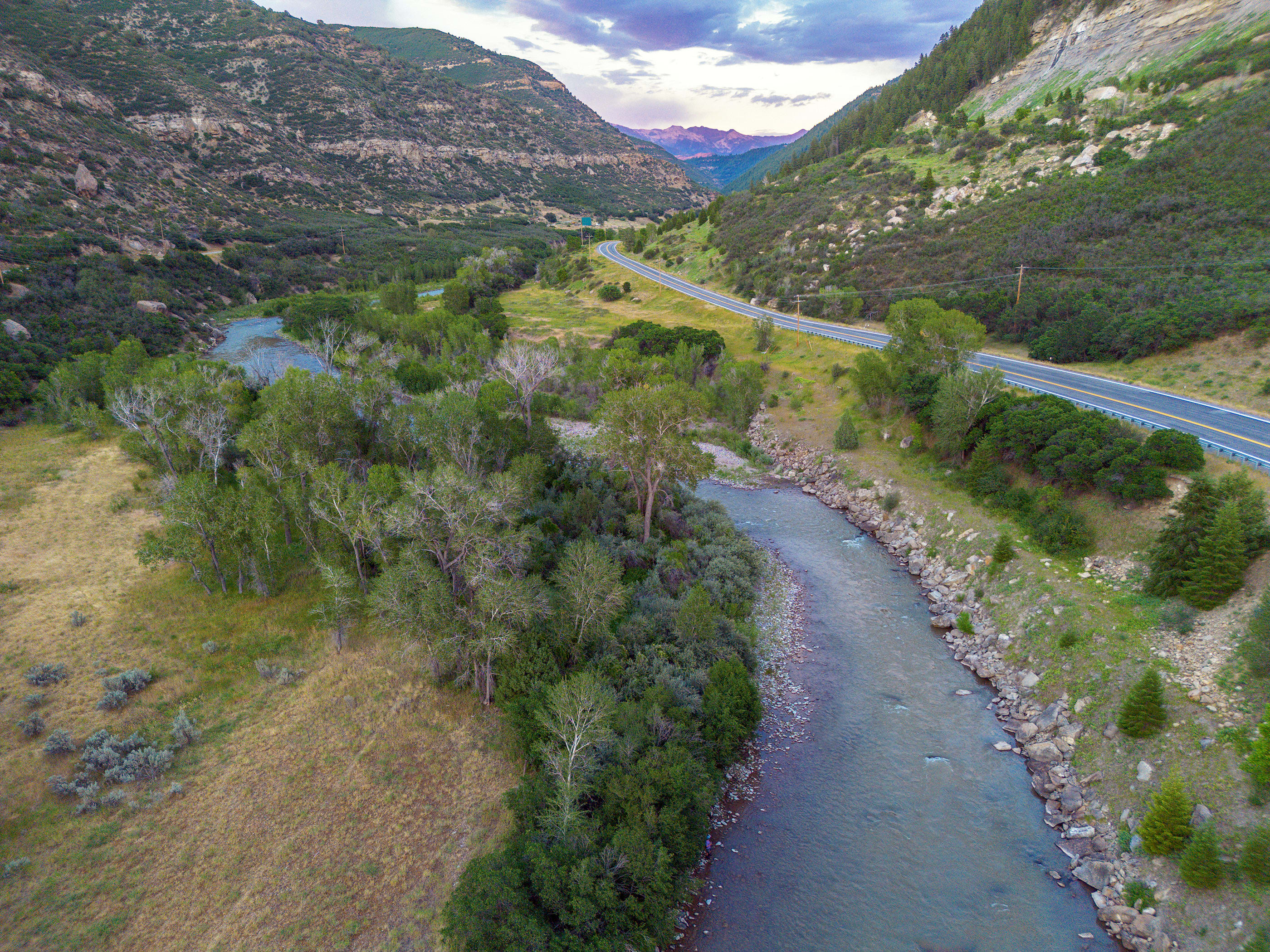
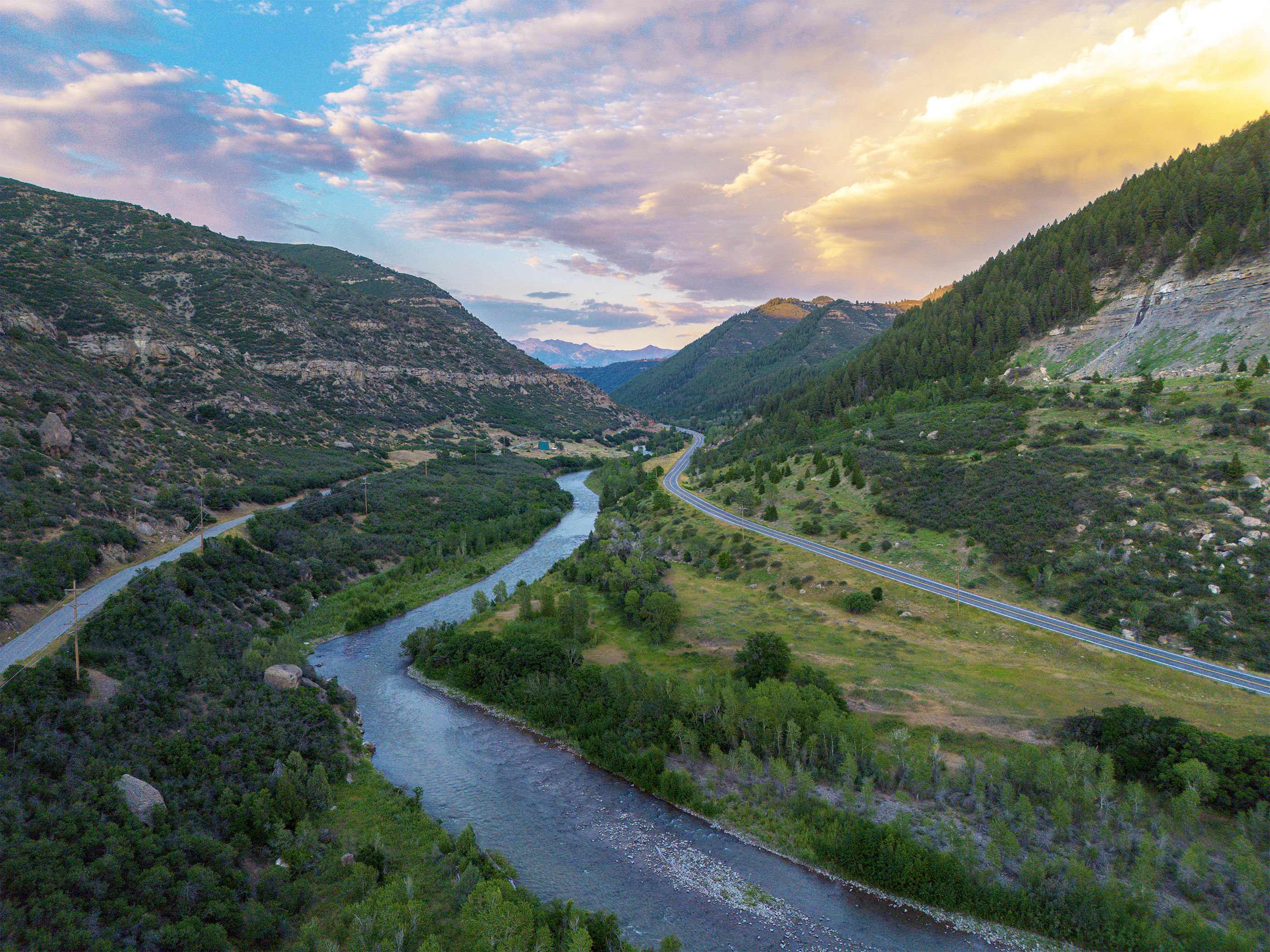
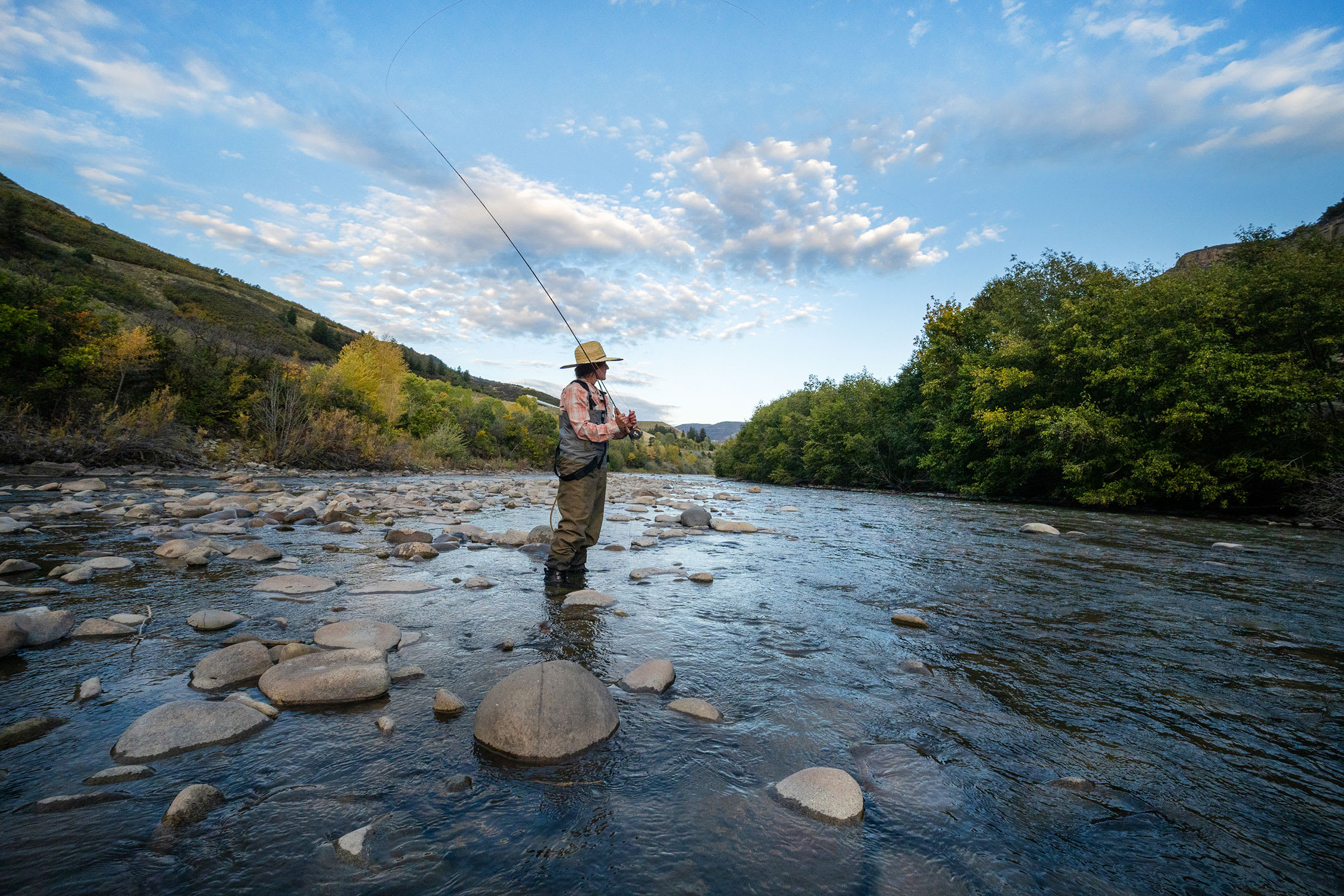
Just north of the recreation hub of Montrose, Colorado, the North Fork Gunnison River is the lesser-known sibling of the mainstem Gunnison, one of the state’s premier fly fishing and whitewater destinations. Although the North Fork flows through the heart of Colorado’s coal mining country, key stretches provide excellent habitat for fish and wildlife, great fishing, and places for residents of the North Fork Valley to find solace on their home river. Near the towns of Hotchkiss and Paonia, nearly 30 river miles upstream of the North Fork/mainstem confluence, Western Rivers Conservancy has set out to conserve a stretch of the North Fork that has all the qualities of a healthy freestone river.
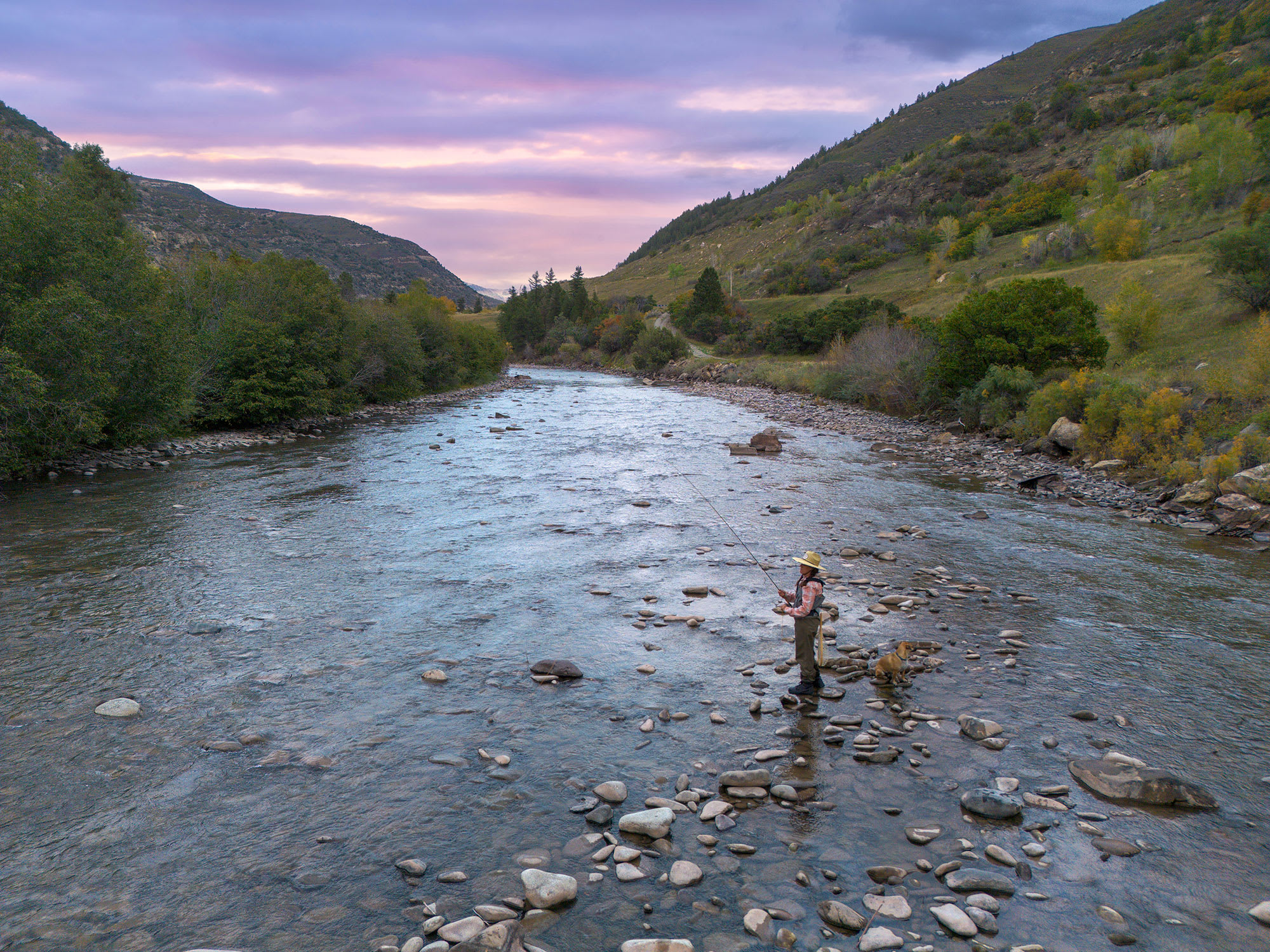
The 555-acre Oxbow property runs along 1.3 miles of the North Fork and was owned by coal companies for a century. Mining ceased on the property decades ago, and today the property is restored and intact, with locally rare healthy riparian habitat including open meadows and diverse stands of cottonwood, alder and willow. For years, the owners quietly allowed locals stream access, and many anglers in the North Fork Valley have spent a lifetime chasing resident rainbow and brown trout along this stretch of the river. The property also provides access to adjacent BLM lands that are otherwise difficult to reach. When the property went up for sale in 2025, however, both access and habitat suddenly hung in the balance.
Community rallied behind pristine river reach
With the property on the market and its future uncertain, Western Rivers Conservancy began working with the community to find a way to keep this stretch of the North Fork undeveloped and open to recreational access. WRC visited the property and quickly saw that this stretch of water was not only important to area residents but also has some of the best riparian and upland habitat for fish and wildlife along the entire North Fork Gunnison.
So, in fall 2025, WRC signed an agreement to buy the property and successfully purchased it this fall. Our plan is to convey it to a long-term conservation steward with the goal of permanently protecting this stretch of the North Fork and guaranteeing it remains open to all.
One reason the Oxbow stretch is uniquely healthy is its location. The property lies upstream of irrigation diversions and downstream of Anthracite and Muddy creeks, two tributaries with reliable cold water. This keeps the North Fork flowing strong along this stretch year-round. Downstream of the property, local partners have been working to restore fish passage through the river’s many small diversions, an effort that will allow three imperiled native warmwater species—bluehead sucker, roundtail chub and flannelmouth sucker—to reach the upper river to spawn. Keeping the Oxbow property’s riparian habitat healthy will be a significant benefit to these returning fish.
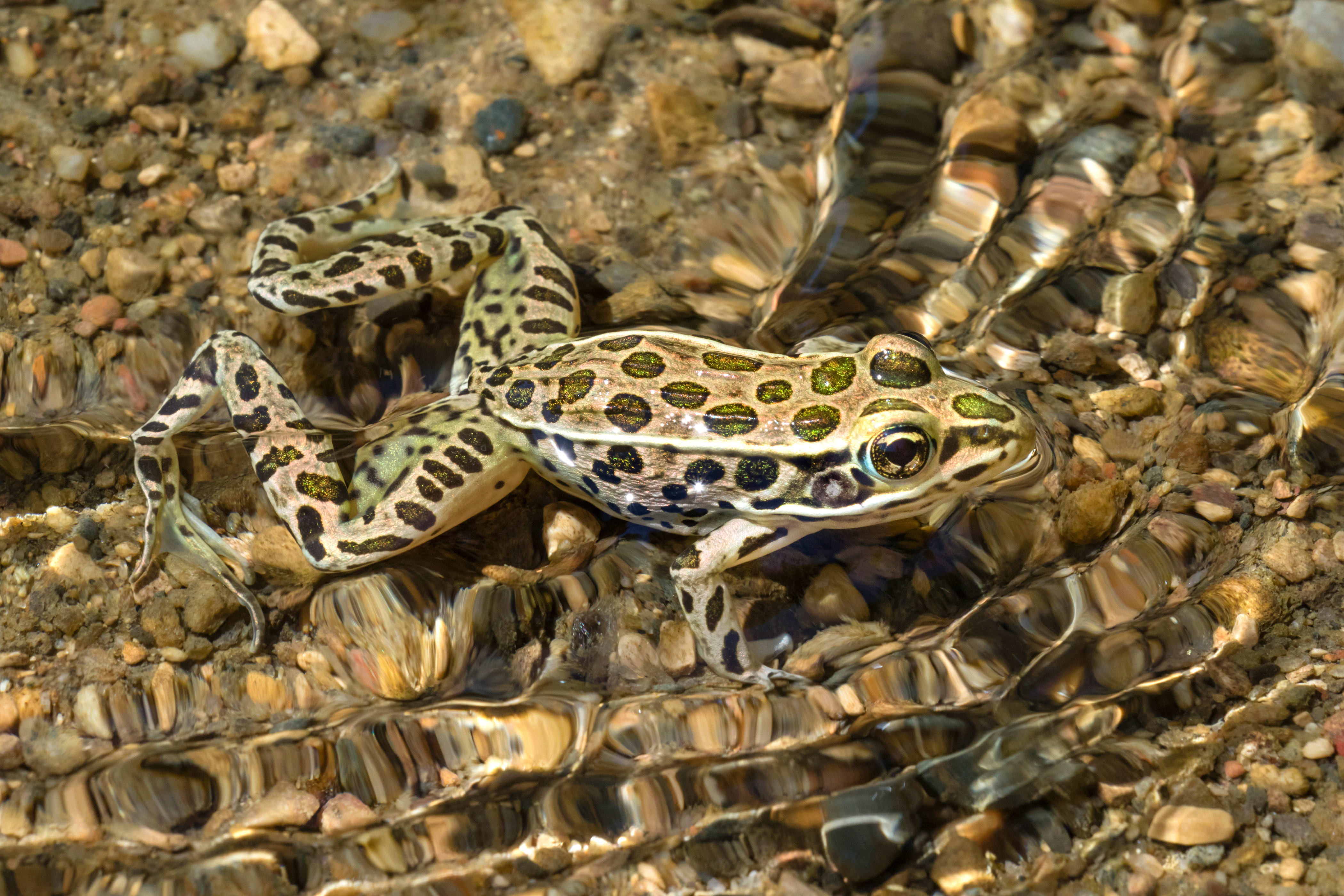
The Oxbow stretch is also a haven for wildlife. Much of the upper North Fork is either developed for second homes or impacted by mining infrastructure. Animals like river otter, bald eagle, federally threatened yellow-billed cuckoo and even the occasional moose all find refuge here. The property spans a steep, south-facing hillside that clears quickly of snow and provides crucial winter habitat for large herds of mule deer and Rocky Mountain elk. These slopes rise from 6,000 feet to over 8,000 feet, a sweeping elevation change that adds further complexity to the habitat, providing a home across the seasons for wildlife.


