Western Rivers Conservancy Transfers 585 Acres Along St. Joe River to Idaho Panhandle National Forests
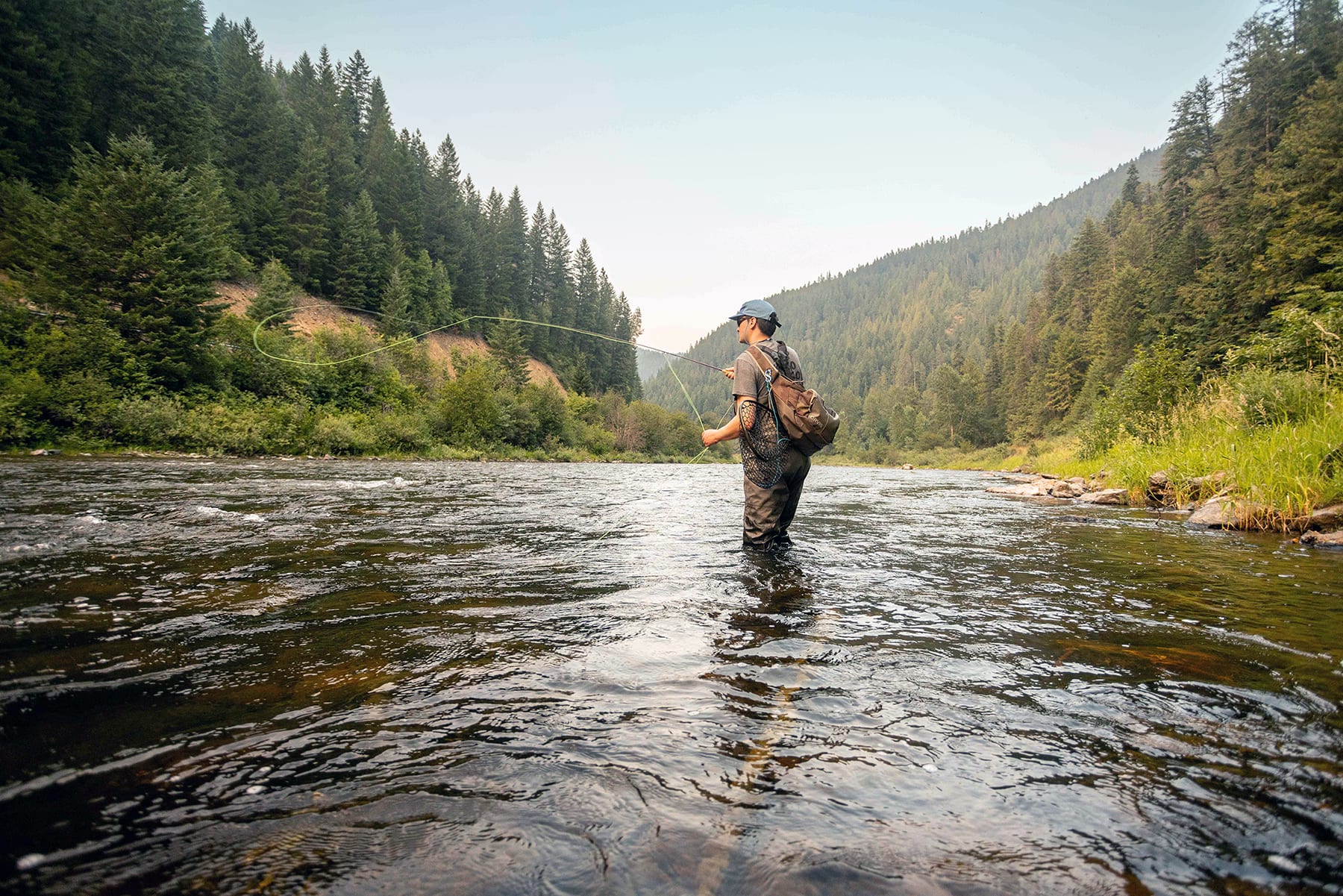
SHOSHONE COUNTY, Idaho (March 17)— On March 3, Western Rivers Conservancy (WRC) conveyed a 585-acre property along the St. Joe River to the Idaho Panhandle National Forests, permanently conserving one mile of the St. Joe and 0.6 miles of Fishhook Creek.
The Fishhook Creek property was a private inholding in the St. Joe Ranger District and contains critical fish and wildlife habitat as well as recreational access along a corridor that was primarily closed to public use.
“The St. Joe River has such a long and storied legacy as both a wild trout stream and a haven for recreation,” said Jessica Inwood, Washington project manager for WRC. “We’re grateful to have worked with the U.S. Forest Service to expand on this legacy and keep a prime stretch of the St. Joe intact and thriving for fish, wildlife, and people.”
The St. Joe River—which originates in the northern Bitterroot Mountains and flows 140 miles to Lake Coeur d’Alene—is renowned for its crystal-clear waters, dramatic canyons, and abundant wildlife. The St. Joe and its tributaries are strongholds for bull trout and westslope cutthroat trout. The basin contains the last self-sustaining bull trout population in the greater Lake Coeur d'Alene watershed.
Conserving the Fishhook Creek property sets the stage for recovery efforts for this vulnerable species. Ongoing restoration upstream of the property is expected to increase bull trout populations, making the preservation of high-quality habitats like those found at Fishhook Creek essential for their long-term survival.
With its mixed forests of Douglas fir, larch, and pine, the property also provides habitat for grizzly bear, Rocky Mountain elk, and Canada lynx. Now under the management of the US Forest Service, the property’s recovering forests will remain intact and on the path to maturity.
“This acquisition reflects a thoughtful balance between environmental conservation and community benefit,” said St. Joe District Ranger Noe Reyes. “By placing this land under stewardship of the U.S. Forest Service, we are supporting sustainable forest management, protecting natural resources, and contributing to the long-term economic vitality of the region.”
Upstream of the property, the St. Joe is designated wild and scenic where it flows through the national forest, while downstream, the river is mostly private. Opening the Fishhook Creek property to the public will create prime new river access for boating, hiking, fishing, hunting, birdwatching, and other activities in just a two-hour drive from Coeur d’Alene.
By conserving this property, the U.S. Forest Service and Western Rivers Conservancy have filled a key gap in protection and improved management abilities for the Forest Service, which manages nearly all the land adjacent to the property. The effort is a meaningful step toward keeping the pristine, accessible legacy of the St. Joe alive for generations to come.
About St. Joe Ranger District
The St. Joe Ranger District is approximately 725,000 of National Forest System lands that include blue-ribbon cutthroat trout streams, Wild and Scenic Rivers, and extensive roadless and primitive areas. The district includes most of what was originally established as the St. Joe National Forest. It also offers miles of trails for hikers, backcountry horse users, mountain bikers, and ATV riders. The St. Joe is nationally recognized for its elk herds. Many campgrounds are located adjacent to the beautiful Wild & Scenic St. Joe River. The district also oversees the world-famous Route of the Hiawatha Rail Trail and the Emerald Creek Garnet Area. Learn more at Idaho Panhandle National Forests.
About Western Rivers Conservancy
Western Rivers Conservancy’s motto is “Sometimes to save a river, you have to buy it.” WRC purchases land along the West’s finest rivers and streams to conserve habitat for fish and wildlife, protect key sources of cold water and create public access for all to enjoy. WRC has created sanctuaries for fish and wildlife and secured recreational access along 250 rivers and streams around the West. Its approach to river conservation is effective, tangible and permanent. More information can be found at westernrivers.org.
